
Immune-mediated Diseases and Therapies
Objectives
- To characterise the biological and clinical mechanisms—both common and specific—involved in the pathophysiology of chronic and degenerative diseases (cardiovascular, neurological, respiratory, cancer, rare diseases, etc.).
- To investigate the interaction between the immune system and the tissue microenvironment in each of these conditions, analysing how chronic inflammation, immune activation or immunosuppression contribute to their onset, progression and therapeutic response.
- To study the impact of immunological ageing (immunosenescence) on susceptibility to immune-mediated diseases and on the efficacy of targeted therapies, including physical exercise.
- To develop and evaluate new immune-mediated therapeutic strategies, including immunotherapy (monoclonal antibodies, therapeutic vaccines, CAR-T cell therapies, etc.).
- To identify immunological biomarkers for diagnosis, prognosis and therapeutic response, whether common or specific to different conditions, to enable personalised medicine.
- To analyse gender-dependent differences and hormonal influences on immune and inflammatory responses, with an emphasis on how these modulate the onset, progression and therapeutic response of immune-mediated diseases in women (including diseases with higher female prevalence, the impact of the hormonal cycle, pregnancy and the menopause) and on the development of personalised therapies with a gender perspective.
- To generate preclinical experimental models and translational platforms that replicate immunological interactions between different organs and systems, with the aim of validating new therapeutic targets and predicting efficacy and safety in humans.
- To analyse how lifestyle (nutrition, exercise, exposure to pollutants) influences immune responses and therapeutic efficacy.
INCLIVA research groups involved
- Inflammation Research Group (Dr Mª Jesús Sanz Ferrando)
- Research Group on Exercise, Nutrition and Healthy Lifestyles (Dr Mª Carmen Gómez Cabrera)
- Healthy Ageing Research Group (MiniAging) (Dr Consuelo Borrás Blasco)
- Cardiometabolic and Renal Risk Study Group (Dr Josep Redón i Mas, Dr Raquel Cortés Vergaz)
- Endothelial Cell Research Group (LINCE) (Dr Carlos Hermenegildo Caudevilla, Dr Susana Novella del Campo)
- Cardiometabolic Risk and Diabetes Research Group (Dr José Tomás Real Collado, Dr Sergio Martínez Hervás)
- Genomics and Diabetes Unit (Dr Felipe Javier Chaves Martínez)
- Breast Cancer Biology Research Group (Dr Begoña Bermejo, Dr Juan Miguel Cejalvo)
- Research Group on Colorectal Cancer and New Therapeutic Developments in Solid Tumours (Dr Andrés Cervantes Ruipérez, Dr Noelia Tarazona)
- Skin Cancer Research Group (Dr José Carlos Monteagudo Castro)
- Research group on myeloid neoplasms (Dr Mar Tormo Díaz)
- Lymphoproliferative Syndromes Research Group (Dr Mª José Terol Casterá)
- Haematopoietic Transplant Research Group (Dr Carlos Solano Vercet)
- Translational Research Group on Oesophagogastric Cancer (Dr Tania Fleitas Kanonnikoff)
- Neurological Degeneration Research Group (Dr Carmina Montoliu Félix)
- Metabolic Diseases Research Group (Dr Herminia González Navarro)
- Respiratory Diseases Research Group (Dr. Jaime Signes-Costa Miñana)
- Research group on ageing and physical exercise (Dr José Viña Ribes)
- Medical Chemistry Research Group for Drug Development (Dr Nuria Cabedo Escrig)
- Reproductive Medicine Research Group (Dr Carlos Simón Vallés)
- Research Group on Treatments for Endometriosis and Endometrial Cancer (Dr Raúl Gómez Gallego)
- Associated Clinical Group in Gastroenterology (Dr Isabel Pascual Moreno)
- Vascular Function Research Group (Dr José María Vila Salinas)
- Tissue Biochemistry Research Group (Dr Juan Viña)
- Clinical Biomechanics and Neurorehabilitation Research Group (Neuro-UBIC) (Dr Pilar Sierra)
- Associated Clinical Group in Gastroenterology (Dr Isabel Pascual Moreno)
Coordinators
Dr María Jesús Sanz
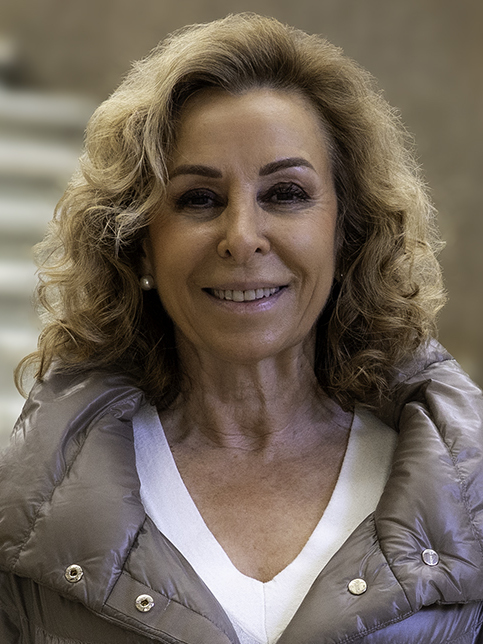
Dr Mª Carmen Gómez Cabrera
