
- The aim is to incorporate biomarkers that help identify patients at higher risk of progression and guide therapeutic strategies
- Today, the second Thursday in March, is World Kidney Day, a day to reflect on the challenges in nephrology given the wide variability in patient response to treatments
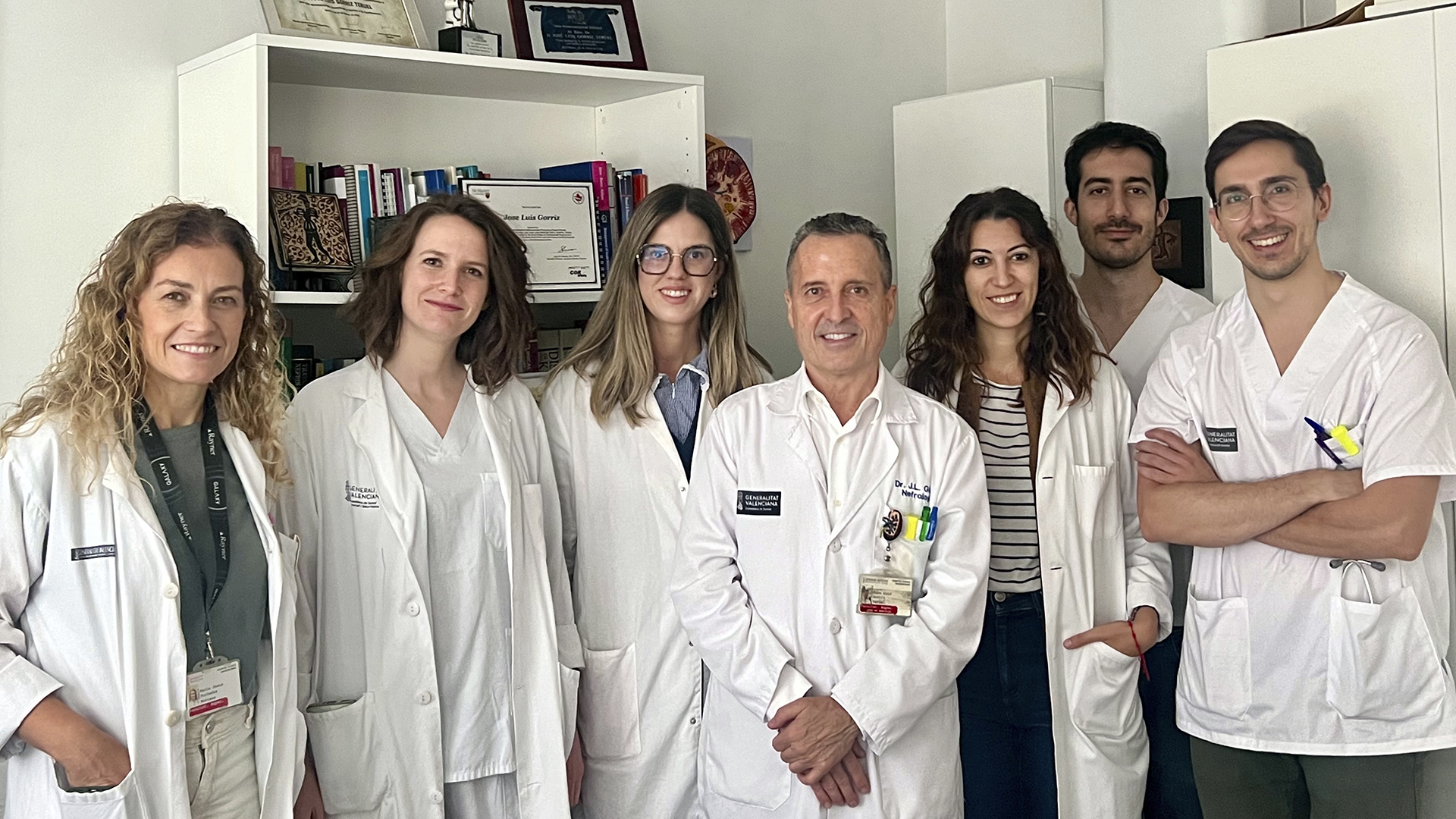
Researchers from the INCLIVA Biomedical Research Institute at the University Clinical Hospital of Valencia are contributing, through their participation in the European CKD bioMatch trial, to the advancement of precision medicine in chronic kidney disease, aimed at personalising patient treatment through biomarker-guided therapies.
Chronic kidney disease affects hundreds of millions of people worldwide and remains a major cause of morbidity, mortality and healthcare burden. Although important therapeutic advances have emerged in recent years, one of the central challenges in nephrology is the variability in how patients respond to treatment. A therapy that is highly effective for one patient may provide limited benefit for another. Addressing this variability is one of the key goals of precision medicine.
In 2023, the European PRIME-CKD project was launched, with INCLIVA participating, with the aim of addressing this challenge through the integration of clinical research, biomarker discovery and implementation science. One of the main studies within this initiative is the CKD bioMatch trial, a multinational clinical study designed to investigate whether biological markers can help guide treatment decisions in patients with progressive chronic kidney disease.
The CKD bioMatch trial is being conducted in several European countries including Denmark, Germany, Spain, the United Kingdom and Sweden. The study plans to recruit patients with progressive CKD who will be followed for three years. By combining biomarker information with clinical data, investigators aim to identify which patients are most likely to benefit from specific therapeutic strategies. At INCLIVA, patient recruitment at the Hospital Clínico Universitario de Valencia is progressing rapidly.
“Our goal is to move toward a model of care in which treatment decisions in chronic kidney disease are informed not only by traditional clinical parameters but also by validated biological signals. Biomarkers may help us identify patients at higher risk of progression and guide more personalised therapeutic strategies”, highlights Dr José Luis Górriz, principal investigator of PRIME-CKD at INCLIVA, where he coordinates the Renal Disease Group.
In recent years, several innovative therapies have demonstrated the ability to slow the progression of chronic kidney disease and reduce cardiovascular risk. However, treatment responses vary considerably between individuals. Dr Francesc Moncho, clinician scientist at INCLIVA Valencia, highlights the clinical relevance of the study.
“New therapies have transformed the treatment landscape of chronic kidney disease. However, not all patients respond equally. Through studies such as CKD bioMatch, we hope to better understand these differences and optimise treatment decisions so that each patient receives the therapy most likely to benefit them.”
Professor Hiddo L Heerspink, coordinator of the PRIME-CKD project at the University Medical Center Groningen in the Netherlands, notes that the study represents an important step toward personalised kidney care. “By using biological markers to guide therapy, we aim to ensure that the right treatment reaches the right patient at the right time.”
Ultimately, PRIME-CKD seeks to move nephrology toward a future in which biomarker guided strategies help personalise treatment, improve outcomes and slow the progression of kidney disease across Europe.
This project has received funding from the European Union’s research and innovation programme under the Horizon Europe call HORIZON HLTH 2022 TOOL 11 01 as part of the PRIME-CKD consortium.
